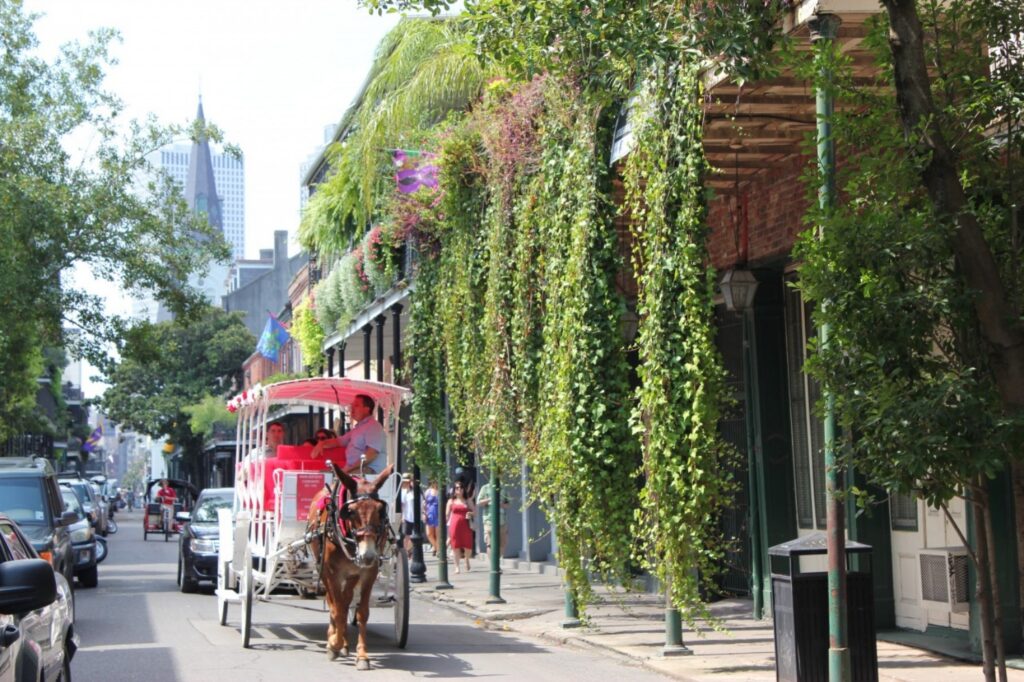
If you’re searching for things to do in New Orleans, most guides will hand you the same six-block list and call it a day. This one is different, because New Orleans is one of the few American cities that still feels like its own country, and the food, the music, and the tourist traps are all bigger than you’re expecting, if you know where to look.
I spent four days based in the French Quarter, and that’s the number I’d recommend to anyone: three days if you’re tight on time, five if you want to make it to the Garden District and a swamp tour without rushing.
Go in spring or fall. Summer in New Orleans means heat and humidity that will flatten you by noon, and hurricane season runs June through November, which is worth knowing before you book non-refundable anything.
Here’s the part most guides skip: New Orleans rewards a plan and punishes wandering without one.
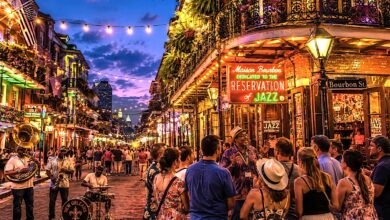
Bourbon Street is loud, expensive, and mostly built for people who won’t come back. Frenchman Street, six blocks away, is where the city’s actual music scene lives. That distinction matters, and I’ll get into why below.
For now, know this: budget around $60 to $80 a day for food if you’re eating well, $25 to $45 per tour if you pick the right ones, and skip the ones I tell you to skip. Not every experience in this city is worth your time, and I’m not going to pretend otherwise just to fill out a listicle.
You May Also Like
New Orleans rewards curiosity. There’s always another street, another song, another plate worth chasing.
Once you’ve settled in, sip your way through the city on a Cocktail Tour. Or eat your way through it instead with one of our favorite Food Tours.
If you’d rather move at your own pace, join a Pub Crawl and see where the night takes you.
For the full picture, browse our guide to the Best Tours in New Orleans.
The Oysters Worth Your Appetite
Let’s start with the thing that will actually change how you eat for the rest of your life: Gulf oysters. If you’ve had oysters before and shrugged, that’s because you probably had them somewhere that didn’t know what to do with them. New Orleans knows. Here’s where to go, and where I’d steer you away from.
BBQ Oysters at Red Fish Grill. This is the signature dish for a reason, not a marketing line. The oysters are flash fried, coated in a spicy barbecue sauce, and finished with a house made blue cheese dressing. That combination sounds like it shouldn’t work. It works. Order these first, before you fill up on anything else, because they’re rich enough to be a meal on their own.
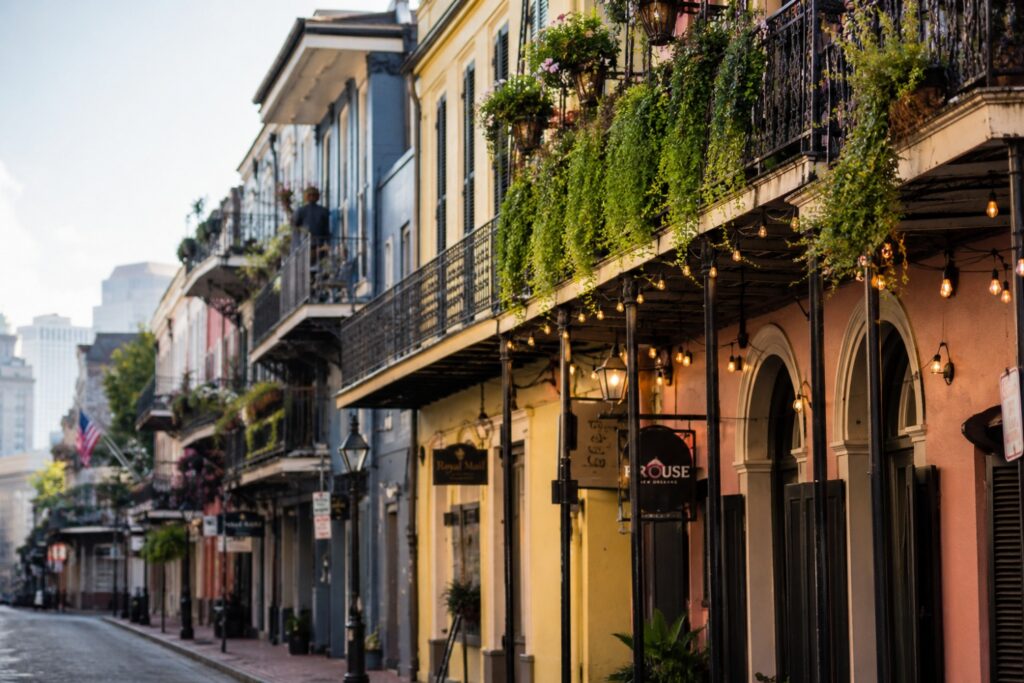
Char-grilled Oysters at Felix’s Restaurant and Oyster Bar. Butter, parmesan, garlic, and a side of garlic bread for mopping up what’s left in the shell. Felix’s has been doing this since the 1940s, and it shows in the confidence of the preparation. If you only have time for one cooked oyster dish in this city, this is the one I’d send you to, ahead of Red Fish Grill, because it’s simpler and the technique is harder to get wrong at scale.
Raw oysters, anywhere in the French Market. If you’re going to eat oysters in New Orleans, you have to try them raw at least once. They don’t look appetizing straight out of the shell, and I won’t pretend otherwise.
Top one with cocktail sauce, horseradish, a dash of salt and pepper, and a squeeze of fresh lemon juice, and you’ll understand why locals eat these for lunch and dinner without a second thought. The French Market is the best place to watch them get shucked in real time before they land in front of you.
If you’re expecting fancy plating and a quiet dining room, you’ll be disappointed by all three of these. That’s not what this is. This is loud, informal, hands-on eating, and it’s exactly why it works.
What Else to Eat Beyond the Oysters
Oysters get the attention, but limiting yourself to them means missing half of what makes New Orleans food culture worth the trip.
Beignets at Cafe du Monde. Yes, it’s touristy. Yes, there’s usually a line. Go anyway, but go early, before 9am, or late at night, when the crowd thins out and you can actually enjoy the powdered sugar disaster you’re about to create. This is one of the rare tourist-famous spots that actually deserves the hype, which is not something I say often.
Gumbo and po’boys, almost anywhere that isn’t on Bourbon Street. The general rule in New Orleans: the closer you get to Bourbon Street, the worse the ratio of price to quality gets. Walk two or three blocks off the main strip and you’ll find gumbo that actually tastes like it simmered for hours, and po’boys stuffed with fried shrimp or roast beef dripping with gravy. Ask a local, not a hotel concierge, for their pick. Concierges tend to recommend whoever pays for the referral.
A muffuletta at Central Grocery. This sandwich, layered with Italian meats, cheese, and olive salad on round sesame bread, was invented here, and it’s still made the same way. One muffuletta easily feeds two people. Split it, because it’s dense enough to end your day early if you don’t.
The French Market District
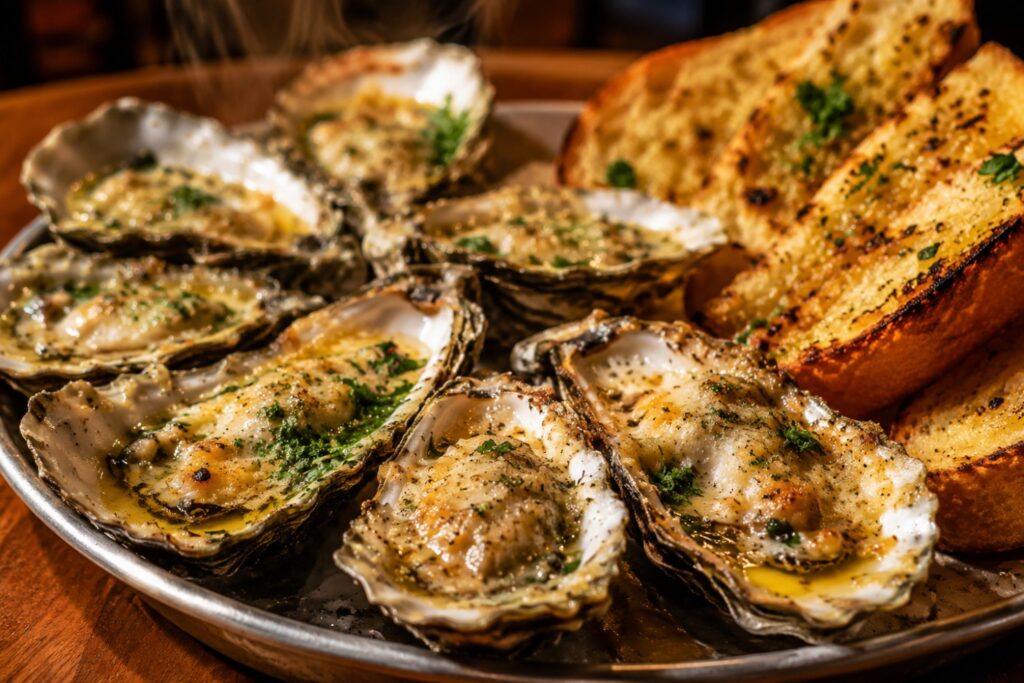
The French Market has been operating in some form since 1791, which makes it one of the oldest continuously running markets in the country.
That history is worth knowing, because it explains why the place has a lived-in, slightly chaotic energy that newer markets try to fake and never quite manage. There’s a daily farmers and flea market, rotating vendors, and enough food stalls to make lunch decisions genuinely difficult.
Two shopping stops worth your time: ReStrung Jewelry, which makes pieces from recycled guitar strings donated by local musicians, and the vendors selling home decor built from salvaged wood and nails pulled from homes destroyed by Hurricane Katrina. Both are the kind of souvenir that actually means something, instead of a magnet made in a factory two thousand miles from here.
Give the French Market an hour and a half, minimum. Rushing through it defeats the point. This isn’t a place you check off a list, it’s a place you wander, and I don’t say that about many stops in this guide.
The One Tour Worth Your Money
New Orleans has no shortage of tour operators, and most of them are interchangeable French Quarter walking tours covering the same six facts about Jackson Square. Skip those. If you’re going to spend money and two hours of your trip on a guided experience, spend it on the Scandalous Cocktail Tour, run by Historic New Orleans Tours.
Here’s why this one earns its price tag of $25, cocktails not included. The guide doesn’t just recite dates, they build a narrative around the buildings and bars you’re standing in front of, and two hours moves fast enough that you’ll wish it ran longer.
Stops typically include the Carousel Bar, known for its rotating bar top and the Vieux Carre cocktail, Pirate Alley Cafe and Absinthe House, where absinthe mixed with cola tastes uncannily like root beer, and May Bailey’s Place for a Pimm’s Cup.
You’re not just drinking your way through the Quarter, you’re learning why these specific bars mattered to the city’s history of scandal and vice, which is a genuinely different experience than a standard history tour covering the same streets.
Compare that to the generic ghost tours that get pushed on every corner after dark. Most of them recycle the same three stories with different narrators, and the theatrics tend to overshadow anything factual.
If you’re expecting a rigorous historical experience from a ghost tour, you’ll be disappointed. The Scandalous Cocktail Tour gives you both the history and the entertainment without asking you to pretend you believe in ghosts to enjoy it.
One planning note: if you’re doing the Scandalous Cocktail Tour, you can skip a standard French Quarter walking tour entirely. I initially had one booked the following day and cancelled it, because there simply wasn’t enough new information left to justify the second tour. That’s not a knock on the walking tour format everywhere, it’s specific to how much ground this one covers.
Live Music, Done Right
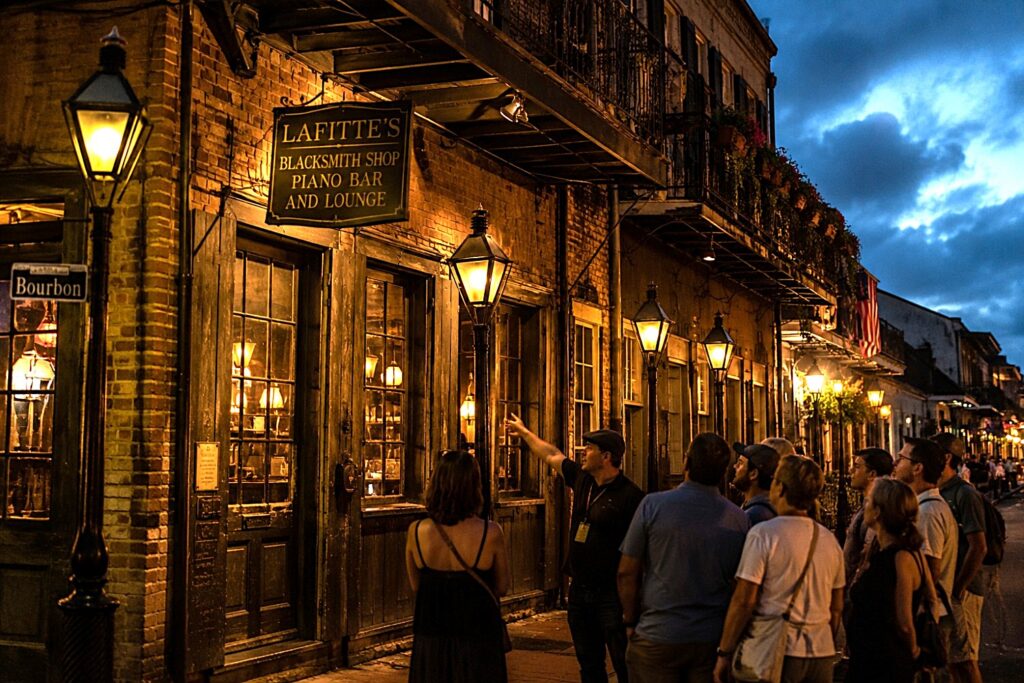
New Orleans earned its reputation as a music city, and it’s genuinely no secret. Where it gets misunderstood is in exactly where to find the good version of that reputation. Bourbon Street is loud and constant, but most of what’s playing there is cover bands aimed at a crowd that’s already had four hurricanes and stopped caring about musicianship. If you’re expecting the city’s best live music on Bourbon Street, you’ll be disappointed.
Frenchman Street, a short walk east of the Quarter, is where you’ll find musicians who actually live and work in this city’s jazz and brass band tradition. The clubs are smaller, the cover charges are lower, and the quality is noticeably higher. This is the comparison worth making before you decide where to spend your evening: Bourbon for volume and spectacle, Frenchman for substance.
Two specific stops worth building an evening around. Preservation Hall, a small, unassuming room dedicated almost entirely to traditional New Orleans jazz, with no bar and minimal seating, which forces you to actually listen instead of talk over the band. And Pat O’Brien’s, home of the famous dueling copper pianos, where you can request a song and watch two players turn it into a genuine competition. It’s touristy in the best possible way, and it earns the crowd it gets.
Street performers deserve a mention too. Some of the best, most unpolished, honest music I heard on this trip came from musicians playing on a street corner with a case open for tips. Don’t walk past them without stopping, even for five minutes.
Getting Out of the Quarter
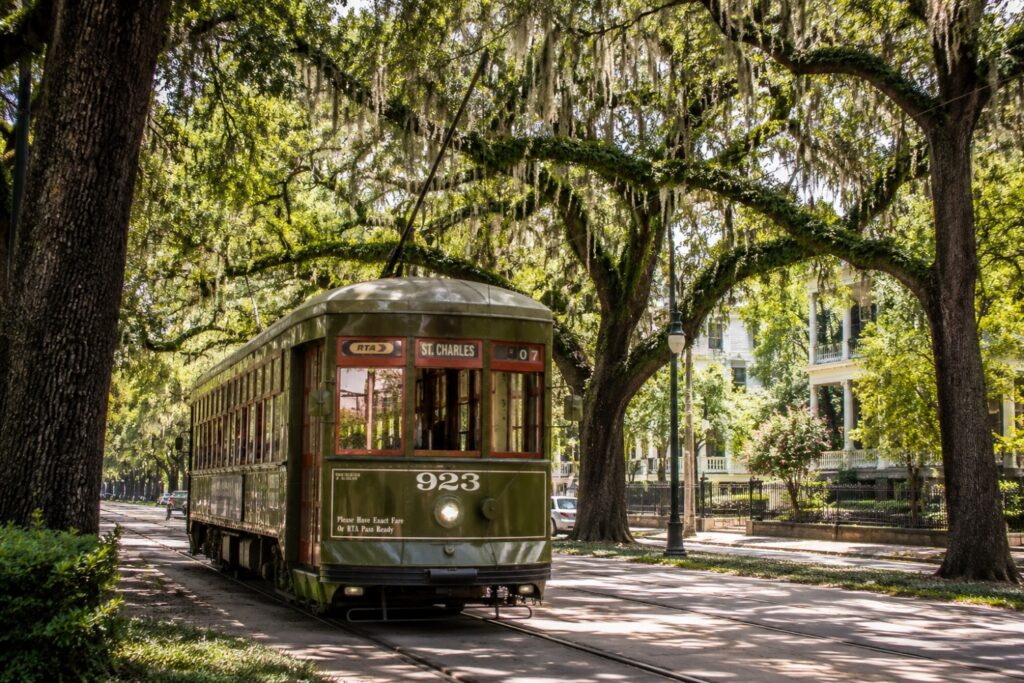
The French Quarter will eat most of your time, and that’s fine, but New Orleans doesn’t end there. The St. Charles Streetcar Line, the world’s oldest continuously operating streetcar, is worth a half day on its own. A day pass runs $3, and the ride itself, while not smooth by any modern standard, gives you a slow, deliberate view of the city that a car or rideshare can’t replicate.
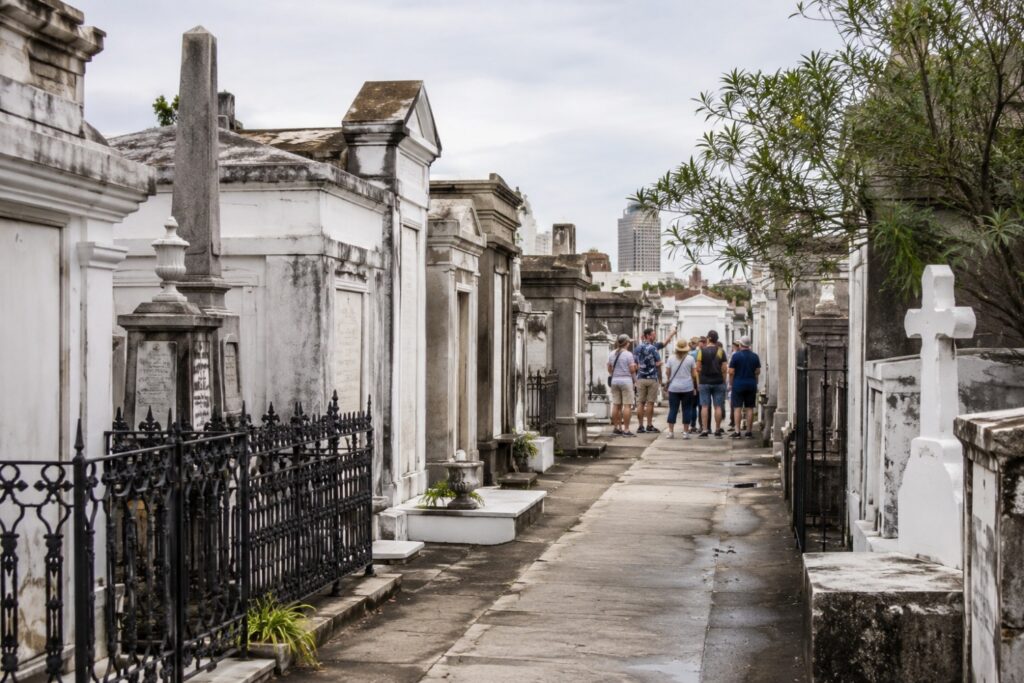
Take the streetcar to the Garden District. Walk under the oak trees, past the antebellum mansions that give the neighborhood its name, and into Lafayette Cemetery No. 1. One caution here: don’t wander the cemetery alone without a guide.
It’s an active, historic cemetery, not a park, and a guided tour, which typically runs under an hour, will actually explain the above-ground tomb architecture and the reasons behind it, something you’d otherwise just be guessing at.
If you have a fifth day, or you’re willing to sacrifice a lazy morning for it, a swamp tour outside the city is worth considering. It’s the one experience on this list I’d call optional rather than essential. Skip it if you’re tight on time, because the Quarter and Garden District alone will fill three or four days comfortably.
The Verdict: Who Should Prioritize What
Not every traveler needs the same itinerary, so here’s how I’d split this up by traveler type.
Foodies: Build your trip around the oysters, the muffuletta, and the French Market. This is worth it, full stop. Skip any restaurant on Bourbon Street with a laminated menu and a sign advertising two-for-one hurricanes.
Music lovers: Skip Bourbon Street entirely after dark. Frenchman Street, Preservation Hall, and Pat O’Brien’s will give you a far better return on your evening than the crowds a few blocks over.
History buffs: Take a Cocktail Tour or Bar Crawl and a guided Lafayette Cemetery visit are worth it. A generic French Quarter walking tour, once you’ve done the cocktail tour, is not.
Families with young kids: New Orleans skews adult, particularly in the French Quarter after dark. The streetcar ride and the French Market work fine for families. Bourbon Street at night does not, and I wouldn’t recommend it.
First-time visitors on a tight schedule: Three days is enough if you prioritize the oysters, one deep-dive tour, and either the music scene or the Garden District, not both. Trying to cram everything in this guide into three days will leave you exhausted rather than satisfied.
More Tours of New Orleans
Practical Wrap-Up
The French Quarter is walkable, and you should walk it rather than rely on rideshares for short distances, since traffic and one-way streets make cars slower than they look on a map.
Save the streetcar for the longer trip to the Garden District. Keep cash on hand for street performers and smaller vendors in the French Market, since not everyone takes cards. And pace your drinking. New Orleans makes it easy to lose a full afternoon to hurricanes and hand grenades, and you’ll want to be functional for dinner.
New Orleans doesn’t need much embellishment to sell itself. What it needs is a visitor who knows which three blocks off Bourbon Street to walk toward, and which tours are worth the money. Follow the picks above, skip the ones I’ve flagged, and you’ll leave with a better trip than most people manage in twice the time.